Cyclophosphamide
Cyclophosphamide is a widely used cytotoxic alkylating agent in oncology and immunology.
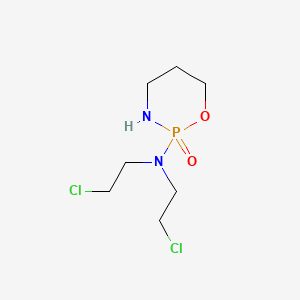
Cyclophosphamide is a widely used cytotoxic alkylating agent in oncology and immunology. It is a prodrug that requires metabolic activation in the liver to generate active metabolites that damage DNA, leading to inhibition of cell division and cell death, particularly in rapidly proliferating malignant and immune cells. Because of this mechanism, cyclophosphamide has long been incorporated into combination regimens for hematologic malignancies, solid tumors, and certain immune-mediated conditions.
Clinically, cyclophosphamide is used in multiple established treatment backbones, including regimens for diffuse large B-cell lymphoma, neuroblastoma, ovarian cancer models, and Ewing sarcoma. In research settings, it is also frequently used to induce immunosuppression or to model chemotherapy-related immune effects in animals. Recent studies have examined its role not only as a direct antineoplastic agent, but also as a modifier of the tumor immune microenvironment, gut microbiota, and treatment-related toxicity. Related entities such as interferon gamma (IFNG), cytotoxic T cell, Programmed cell death 1 (PD-1), and human gut flora appear in these contexts because cyclophosphamide can influence immune signaling, immune-cell composition, and host-microbe interactions.
Where the papers sit
13 papers from the last 6 months study cyclophosphamide directly · updated from PubMed 12 Oct 2026
Study type 2 clinical trials · 6 observational · 2 human data · 3 preclinical
Themes 3 themes · 1 new direction
-
Autoimmune and Cancer Treatment Outcomes
Lupus nephritis work centers on rituximab, mycophenolate mofetil, and cyclophosphamide, with renal outcomes including glomerular filtration rate and long-term control. B-cell depletion and immunophenotypic change recur in refractory disease. Separate lymphoma studies compare zanubrutinib with fludarabine, cyclophosphamide, and rituximab or assess pola-R-CHP in very old patients. Ewing sarcoma survivorship adds a distinct long-term outcomes thread, leaving no unified therapeutic direction.
5 papers · 38.5%
-
Plasma Cell Disorder Therapy
Daratumumab-based combinations with cyclophosphamide and dexamethasone are being tested in relapsed multiple myeloma and newly diagnosed amyloidosis. Recurring endpoints include response, survival, and treatment safety, with bortezomib or ixazomib defining regimen differences. Cyclophosphamide dose comparisons focus on G-CSF-supported stem-cell mobilization rather than disease control. Parkinsonism exacerbation during chemotherapy highlights neurologic toxicity as an unresolved safety concern.
4 papers · 30.8%
-
Immune, Liver, and Brain Outcomes
Glioma studies are testing cyclophosphamide as an immune-modulating partner, including nanoparticle delivery and checkpoint blockade. Recurring biology involves effector CD8+ T-cell expansion, CD80, TNF-α, and tumor immune status. Separate work targets cyclophosphamide-induced liver injury with Coenzyme Q10, while another series tracks brain volume, cognition, and seizures after refractory status epilepticus. These lines share experimental toxicity or immune endpoints but do not support a single therapeutic direction.
4 papers · 30.8%
Cyclophosphamide is used as a dose-responsive peripheral blood stem-cell mobilization adjunct rather than as antineoplastic or immunosuppressive therapy
Patients with multiple myeloma undergoing first-time autologous stem-cell mobilization were studied with G-CSF alone or combined with cyclophosphamide. Whereas the other papers use cyclophosphamide for disease treatment, immune modulation, chemotherapy-associated effects, or toxicity modeling, this study found that adding cyclophosphamide to G-CSF markedly increased mobilization success and CD34⁺-cell yield, with the highest-dose combination achieving a 97.6% success rate. This assigns cyclophosphamide a distinct operational role as a hematopoietic stem-cell mobilizer and collection-enhancing adjunct 42431019Jul.
Papers
The 13 papers from the last 6 months that study cyclophosphamide directly, newest first, by theme and by study type. Study types come from PubMed publication types and MeSH headings.
By theme
Autoimmune and Cancer Treatment Outcomes (5)
- Clinical and immunological outcomes of rituximab-based, mycophenolate mofetil-based and cyclophosphamide-based treatment strategies for systemic lupus erythematosus with active kidney involvement from LOOPS registry. RMD open · 25 Sept 2026 PMID 42791028
- Longitudinal Immunophenotypic Changes in Refractory Lupus Nephritis After B-cell Depletion: A 25-year Case Study. In vivo (Athens, Greece) · 28 Aug 2026 PMID 42665415
- Zanubrutinib versus fludarabine, cyclophosphamide and rituximab in fit, treatment-naïve patients with chronic lymphocytic leukemia: a matching-adjusted indirect comparison. Journal of comparative effectiveness research · 21 Aug 2026 PMID 42626928
- Long-term outcomes of evolving treatment regimens in Ewing sarcoma survivors diagnosed 1970-1999: A report from the Childhood Cancer Survivor Study. Cancer · 2 Jul 2026 PMID 42390889
- Clinical Outcomes of Pola-R-CHP Therapy in Patients Aged >80 Years With Diffuse Large B-Cell Lymphoma. Anticancer research · 29 Jun 2026 PMID 42373284
Plasma Cell Disorder Therapy (4)
- Reversible exacerbation of parkinsonism during epirubicin-cyclophosphamide chemotherapy in a patient with PTEN hamartoma tumor syndrome and young-onset Parkinson's disease. Neurological sciences : official journal of the Italian Neurological Society and of the Italian Society of Clinical Neurophysiology · 11 Sept 2026 PMID 42726292
- Comparative efficacy and safety of G-CSF alone versus G-CSF combined with different doses of cyclophosphamide for peripheral blood stem cell mobilization in patients with multiple myeloma. Transfusion and apheresis science : official journal of the World Apheresis Association : official journal of the European Society for Haemapheresis · 10 Jul 2026 PMID 42431019
- Ixazomib, Cyclophosphamide, and Dexamethasone (ICd), With or Without Daratumumab in Relapsed Multiple Myeloma. Clinical lymphoma, myeloma & leukemia · 18 Jun 2026 PMID 42315418
- Daratumumab-bortezomib-cyclophosphamide-dexamethasone for newly diagnosed amyloidosis: ANDROMEDA final survival analysis. Blood · 12 May 2026 PMID 42118698
Immune, Liver, and Brain Outcomes (4)
- Repurposing of cyclophosphamide as a chemo‑immunotherapy agent in glioma using D8/RI‑VAP modified-chitosan nanoparticles. Biomedicine & pharmacotherapy = Biomedecine & pharmacotherapie · 24 Jun 2026 PMID 42341589
- Immune Checkpoint Blockade Augments Lymphodepleting Chemotherapy-Induced Antitumor Immunity by Expanding Effector CD8+ T-cell Clones. Cancer research · 22 Jun 2026 PMID 42329854
- Ameliorating effects of Coenzyme Q10 and its nanosuspension against cyclophosphamide-induced hepatoxicity in rats. Biochemical and biophysical research communications · 13 Jun 2026 PMID 42288037
- Longitudinal changes in brain volume, cognitive function, and seizure outcomes in cryptogenic new-onset refractory status epilepticus. Journal of the neurological sciences · 25 May 2026 PMID 42184585
By study type
Clinical trials (2)
- Ixazomib, Cyclophosphamide, and Dexamethasone (ICd), With or Without Daratumumab in Relapsed Multiple Myeloma. Clinical lymphoma, myeloma & leukemia · 18 Jun 2026 PMID 42315418
- Daratumumab-bortezomib-cyclophosphamide-dexamethasone for newly diagnosed amyloidosis: ANDROMEDA final survival analysis. Blood · 12 May 2026 PMID 42118698
Observational studies and case reports (6)
- Clinical and immunological outcomes of rituximab-based, mycophenolate mofetil-based and cyclophosphamide-based treatment strategies for systemic lupus erythematosus with active kidney involvement from LOOPS registry. RMD open · 25 Sept 2026 PMID 42791028
- Reversible exacerbation of parkinsonism during epirubicin-cyclophosphamide chemotherapy in a patient with PTEN hamartoma tumor syndrome and young-onset Parkinson's disease. Neurological sciences : official journal of the Italian Neurological Society and of the Italian Society of Clinical Neurophysiology · 11 Sept 2026 PMID 42726292
- Longitudinal Immunophenotypic Changes in Refractory Lupus Nephritis After B-cell Depletion: A 25-year Case Study. In vivo (Athens, Greece) · 28 Aug 2026 PMID 42665415
- Comparative efficacy and safety of G-CSF alone versus G-CSF combined with different doses of cyclophosphamide for peripheral blood stem cell mobilization in patients with multiple myeloma. Transfusion and apheresis science : official journal of the World Apheresis Association : official journal of the European Society for Haemapheresis · 10 Jul 2026 PMID 42431019
- Clinical Outcomes of Pola-R-CHP Therapy in Patients Aged >80 Years With Diffuse Large B-Cell Lymphoma. Anticancer research · 29 Jun 2026 PMID 42373284
- Longitudinal changes in brain volume, cognitive function, and seizure outcomes in cryptogenic new-onset refractory status epilepticus. Journal of the neurological sciences · 25 May 2026 PMID 42184585
Human data, design not indexed (2)
- Zanubrutinib versus fludarabine, cyclophosphamide and rituximab in fit, treatment-naïve patients with chronic lymphocytic leukemia: a matching-adjusted indirect comparison. Journal of comparative effectiveness research · 21 Aug 2026 PMID 42626928
- Long-term outcomes of evolving treatment regimens in Ewing sarcoma survivors diagnosed 1970-1999: A report from the Childhood Cancer Survivor Study. Cancer · 2 Jul 2026 PMID 42390889
Preclinical: animal, cell and lab studies (3)
- Repurposing of cyclophosphamide as a chemo‑immunotherapy agent in glioma using D8/RI‑VAP modified-chitosan nanoparticles. Biomedicine & pharmacotherapy = Biomedecine & pharmacotherapie · 24 Jun 2026 PMID 42341589
- Immune Checkpoint Blockade Augments Lymphodepleting Chemotherapy-Induced Antitumor Immunity by Expanding Effector CD8+ T-cell Clones. Cancer research · 22 Jun 2026 PMID 42329854
- Ameliorating effects of Coenzyme Q10 and its nanosuspension against cyclophosphamide-induced hepatoxicity in rats. Biochemical and biophysical research communications · 13 Jun 2026 PMID 42288037
Written from 13 PubMed abstracts, each one listed by PMID above. Published: 2026-07-16. Last written: 2026-09-13 by GPT. Drafted by language models from published abstracts; not medical advice.