testosterone
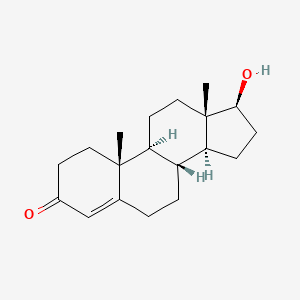
Overview
Testosterone is a steroid hormone and androgen that plays a central role in male sexual development, reproductive physiology, and the maintenance of secondary sexual characteristics. It is produced primarily in the testes by Leydig cells, with smaller amounts arising from the ovaries and adrenal glands. Biologically, testosterone acts through the Androgen receptor (AR) to regulate gene expression in diverse tissues, influencing muscle and bone mass, erythropoiesis, libido, spermatogenesis, and aspects of metabolic and immune function.
In biomedical research, testosterone is also studied as a circulating biomarker and as a mechanistic mediator of disease heterogeneity. Recent work has linked testosterone to endocrine, metabolic, reproductive, oncologic, and immunologic contexts, including type 1 diabetes endotypes, prostate cancer treatment response, infection-related immune modulation, and age-associated physiological profiles. Its effects are often interpreted alongside related hormones and pathways such as 17β-estradiol, Growth hormone (GH), Insulin-like growth factor 1 (IGF-1), salivary cortisol, and inflammatory mediators including IL17A, IL18, and toll like receptor 4 (TLR4).
Recent Publications Summary
Recent studies have examined testosterone in several mechanistic and translational contexts, including cardiac electrophysiology, infection, immunology, oncology, and reproductive medicine. One report noted that sex steroid hormones influence ventricular repolarization and QT interval duration, with testosterone previously associated with shorter QT intervals and androgen deprivation linked to prolongation of repolarization indices; the study specifically highlighted that the effects of orchiectomy on ECG parameters in humans remain insufficiently characterized 42371754Jun. In a separate prostate cancer biomarker analysis, baseline testosterone status was evaluated as a potential modifier of the mortality benefit from adding docetaxel to radiation therapy and androgen deprivation therapy in nonmetastatic high-risk prostate cancer, reflecting interest in whether low versus normal testosterone identifies patients with different treatment responses 42175549May.
Testosterone was also studied for its immunomodulatory effects. In healthy male blood samples, testosterone at physiological concentration was compared with imazalil exposure in neutrophils; the abstract reports that imazalil altered expression of several CD markers, while testosterone served as the hormonal comparator in assessing neutrophil immunophenotype changes 42166674May. In an experimental acute Trypanosoma cruzi infection model in male rats, testosterone supplementation did not change peripheral parasitemia but increased amastigote nests in heart tissue, reduced circulating leukocytes and neutrophils, increased thymocyte death, impaired T cell development, and shifted immune responses toward greater splenic regulatory T cells and higher IL-10, whereas testosterone insufficiency was associated with increased liver inflammation and inflammatory mediators including IL-6, IL-17, MPO, and NAG activity 41955792Apr.
A therapeutic delivery study used testosterone as a targeting ligand rather than as the active hormone itself. Researchers developed testosterone-modified liposomes loaded with an epigallocatechin gallate-zinc complex for orchitis treatment, aiming to target androgen receptor-positive tissues in the testis 41985533Apr. The formulation showed antioxidant and anti-inflammatory activity, scavenged reactive oxygen species, inhibited NLRP3 inflammasome activation, reduced IL-1β and IL-18, preserved redox homeostasis in Sertoli and Leydig cells, and promoted M2 polarization in RAW264.7 macrophages; in vivo, it demonstrated strong testicular targeting and therapeutic efficacy 41985533Apr.
What Changes, What Holds
1. Testosterone now looks relevant to cardiac repolarization and treatment stratification in prostate cancer
NEW DIRECTION The electrophysiology finding extends testosterone beyond its established roles in sexual development, reproduction, and systemic physiology into QT interval biology, an area the Overview does not cover 42371754Jun. The prostate cancer analysis likewise suggests baseline testosterone may help identify who benefits from adding docetaxel to radiation and androgen deprivation, but that is still a biomarker hypothesis rather than a settled clinical rule 42175549May.
2. Testosterone appears to reshape immune responses in infection, but the direction depends on hormonal sufficiency
NEW DIRECTION The infection model adds a mechanistic immunology role not stated in the Overview: testosterone can dampen leukocyte and thymocyte responses, favor regulatory T-cell and IL-10 signaling, and alter tissue inflammation during acute Trypanosoma cruzi infection 41955792Apr. At the same time, testosterone insufficiency was associated with a more inflammatory hepatic profile, so the new work does not support a simple uniformly suppressive effect; it points to context-dependent immune modulation 41955792Apr42166674May.
3. Testosterone can be used as a tissue-targeting handle rather than only as an endogenous hormone
NEW DIRECTION The liposome study introduces a delivery strategy that is absent from the Overview: testosterone is being exploited as a ligand to direct therapy to androgen receptor-positive testicular tissue, not merely measured or replaced as a hormone 41985533Apr. Its therapeutic payload and anti-inflammatory effects are therefore about targeted formulation design, while the testosterone component mainly changes biodistribution and tissue selectivity 41985533Apr.
Overview update candidates: testosterone as a candidate modifier of QT interval/repolarization; testosterone as a potential treatment-response biomarker in high-risk prostate cancer; testosterone-dependent immune modulation in acute infection; testosterone as a targeting ligand for testis-directed drug delivery.
testosterone
Background Contexts
In the literature, the biological baseline, pathological conditions, or disease models commonly surrounding testosterone are described as follows:
- calcium (Chemical) — 1 paper: PMIDs 42056822
- Chagas disease (Disease) — 1 paper: PMIDs 41955792
- Clinical biomarkers (Other) — 1 paper: PMIDs 41986433
- curcumin nanomicelles (Therapy) — 1 paper: PMIDs 42424014
- diagnostic biomarkers (Other) — 1 paper: PMIDs 41986433
- dolutegravir (Therapy) — 1 paper: PMIDs 41934381
- focal nodular hyperplasia (Disease) — 1 paper: PMIDs 42392677
- growth hormone (Protein) — 1 paper: PMIDs 42175428
- HIV infection (Disease) — 1 paper: PMIDs 41934381
- methyltestosterone (Therapy) — 1 paper: PMIDs 42171893
- National AIDS Control Organization (Other) — 1 paper: PMIDs 41934381
- Oreochromis niloticus (Organism) — 1 paper: PMIDs 42171893
Methodologies & Technologies Used
Researchers utilize the following experimental methods, imaging platforms, computational models, or biological reagents to study testosterone:
- (chemo)radiotherapy (Biological Process) — 1 paper: PMIDs 42175549
- 2396 children (Organism) — 1 paper: PMIDs 42175428
- Allium sativum (Organism) — 1 paper: PMIDs 42424258
- anastrozole (Therapy) — 1 paper: PMIDs 42171893
- androgen deprivation therapy (Therapy) — 1 paper: PMIDs 42175549
- BAX/Bcl-2 (Pathway) — 1 paper: PMIDs 42224419
- brain transcriptome (Biological Process) — 1 paper: PMIDs 42297781
- BV-2 microglia (Cell Line) — 1 paper: PMIDs 41894850
- castration (Therapy) — 1 paper: PMIDs 42371754
- CD4 cell count (Clinical Metric) — 1 paper: PMIDs 41934381
- fennel extract (Therapy) — 1 paper: PMIDs 42424258
- Foeniculum vulgare (Chemical) — 1 paper: PMIDs 42424258
Molecular Interventions & Targets
The primary molecular pathways, regulatory genes, enzymes, or therapeutic agents actively targeted and manipulated in relation to testosterone include:
- zinc (Chemical) — 2 papers: PMIDs 42175428, 41985533
- 25-OH vitamin D (Chemical) — 1 paper: PMIDs 42175428
- anastrozole (Therapy) — 1 paper: PMIDs 42171893
- bone marrow (Organism) — 1 paper: PMIDs 41934381
- ceritinib (Chemical) — 1 paper: PMIDs 41894850
- cholecalciferol (Therapy) — 1 paper: PMIDs 42056822
- Dialister invisus (Organism) — 1 paper: PMIDs 42297781
- docetaxel (Therapy) — 1 paper: PMIDs 42175549
- docosapentaenoic acid (Chemical) — 1 paper: PMIDs 42297781
- donor hemoglobin levels (Clinical Metric) — 1 paper: PMIDs 42175428
- EGCG-Zn@T-Lipo (Chemical) — 1 paper: PMIDs 41985533
- enilconazole (Chemical) — 1 paper: PMIDs 42166674
Observed Outcomes & Phenotypes
The phenotypic changes, physiological endpoints, or clinical metrics observed and measured in connection with testosterone include:
- proinflammatory cytokine (Biological Process) — 3 papers: PMIDs 41985533, 41955792, 41894850
- 17β-estradiol (Chemical) — 2 papers: PMIDs 42171893, 42056822
- GSH-Px (Protein) — 2 papers: PMIDs 42224419, 42056822
- MDA content (Clinical Metric) — 2 papers: PMIDs 42224419, 42056822
- Acetatifactor (Organism) — 1 paper: PMIDs 42297781
- anti-inflammatory cytokines (Biological Process) — 1 paper: PMIDs 41955792
- apoptotic process (Biological Process) — 1 paper: PMIDs 42424014
- ATG7 (Gene) — 1 paper: PMIDs 42424014
- atretic ovarian regression (Biological Process) — 1 paper: PMIDs 42171893
- B cell activation (Biological Process) — 1 paper: PMIDs 42297781
- Bacteroidaceae (Organism) — 1 paper: PMIDs 42297781
- BECN1 (Gene) — 1 paper: PMIDs 42424014
General Takeaways & Clinical Potentials
The high-level concepts, clinical translations, and overarching conclusions proposed in the research surrounding testosterone are summarized below:
- age-related T1D endotypes (Other) — 1 paper: PMIDs 42297781
- all-male tilapia production (Other) — 1 paper: PMIDs 42171893
- Androgen suppression (Other) — 1 paper: PMIDs 41955792
- anti-tumor and anti-inflammatory agents (Other) — 1 paper: PMIDs 41894850
- autophagy (Biological Process) — 1 paper: PMIDs 42424014
- cholecalciferol (Therapy) — 1 paper: PMIDs 42056822
- complete blood count (Clinical Metric) — 1 paper: PMIDs 41934381
- dietary interventions (Therapy) — 1 paper: PMIDs 42424258
- IGF1 (Protein) — 1 paper: PMIDs 42175428
- IGFBP3 (Protein) — 1 paper: PMIDs 42175428
- immune regulation (Biological Process) — 1 paper: PMIDs 41955792
- innate immunity disorders (Disease) — 1 paper: PMIDs 42166674