Epigallocatechin gallate
Epigallocatechin gallate (EGCG) is a major catechin polyphenol found in tea and is widely studied as a bioactive natural product with antioxidant, anti-inflammatory, and putative anticancer properties.
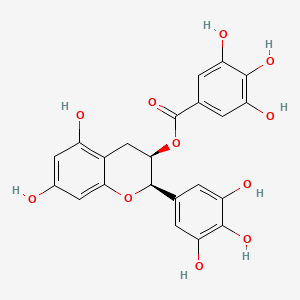
Epigallocatechin gallate (EGCG) is a major catechin polyphenol found in tea and is widely studied as a bioactive natural product with antioxidant, anti-inflammatory, and putative anticancer properties. In biomedical research, it is often investigated as a small-molecule modulator of signaling pathways, protein-ligand interactions, and oxidative stress responses rather than as a conventional drug.
Recent studies continue to position EGCG as a versatile research compound with relevance to inflammation, infection-resistant biomaterials, reproductive biology, and cancer-oriented delivery systems. Its reported interactions with targets such as RORγ, and its incorporation into nanoparticle, liposomal, and scaffold-based platforms, reflect ongoing efforts to improve its stability, tissue delivery, and therapeutic utility.
Where the papers sit
23 papers from the last 6 months study epigallocatechin gallate directly · updated from PubMed 11 Oct 2026
Study type 0 clinical trials · 23 preclinical
Themes 4 themes · 1 new direction
-
Nanoparticle-Based EGCG Therapy
Nanoparticle and hydrogel carriers are moving EGCG toward protected, responsive delivery rather than unformulated administration. Albumin, polydopamine, chitosan and starch systems recur across kidney injury, wounds, brain injury, acne, obesity and triple-negative breast cancer. Antioxidant and anti-inflammatory effects repeatedly involve reactive oxygen species, HO-1 and immune remodeling. The evidence remains largely preclinical, with tissue targeting and durable release still open.
9 papers · 39.1%
-
EGCG Formulation and Stability
Formulation work is moving toward more stable, multifunctional carriers with controlled release and skin-focused delivery. Cubosomal hydrogels, micelles, caseinate–gum arabic complexes and dual-dynamic hydrogels are evaluated through particle size, dispersity, zeta potential and release kinetics. Antioxidant creams and EGCG-containing systems are linked to antimelanoma or atopic dermatitis applications. Translation remains limited by formulation complexity and the gap between characterization and clinical evidence.
7 papers · 30.4%
-
Hydrogel Encapsulation for Oral Delivery
Alginate–peanut protein beads are being optimized to protect EGCG during processing and gastrointestinal transit. Pectin crosslinking and chitosan coating are used to tune encapsulation efficiency, bead structure and release behavior. The work is moving from simple encapsulation toward controlled delivery with improved digestive stability. Whether these systems increase EGCG absorption or clinical benefit remains unresolved.
2 papers · 8.7%
-
Others — EGCG Therapeutic Pharmacology
EGCG is examined across disconnected cancer, resistance and reproductive applications rather than one convergent disease program. EGFR-associated migration and invasion, CD31/VEGFR2 angiogenesis, HDAC modulation with panobinostat, and NF-κB/ALDH1A1-linked EGFR-TKI resistance recur in separate cancer contexts. Testosterone-modified liposomes extend the cluster into male infertility, without a shared mechanism or endpoint. No single therapeutic direction is established by this set.
5 papers · 21.7%
In mild to moderate atopic dermatitis, an EGCG-containing antioxidant cream produced no clinically relevant benefit beyond its vehicle
The antioxidant-enriched cream study in patients with mild to moderate atopic dermatitis found that, despite formulation-dependent differences in cutaneous penetration, antioxidant-containing creams did not improve clinical outcomes relative to their vehicles, and laser microscopy showed no antioxidant-specific effects; any improvement trend was attributed more plausibly to occlusion than to EGCG or the antioxidant mixture itself. This places EGCG outside the set’s prevailing role as a therapeutically active antioxidant and indicates that penetration and formulation incorporation do not necessarily translate into clinical efficacy in this disease 42225173Jun.
Papers
The 23 papers from the last 6 months that study epigallocatechin gallate directly, newest first, by theme and by study type. Study types come from PubMed publication types and MeSH headings.
By theme
Nanoparticle-Based EGCG Therapy (9)
- Albumin-Coated Mesoporous Polydopamine Nanoparticles for Renal Delivery of Epigallocatechin Gallate against Cisplatin-Induced Acute Kidney Injury. ACS applied materials & interfaces · 2 Sept 2026 PMID 42686388
- EGCG combats obesity by triggering a BAT-independent thermogenic switch and remodeling the immune microenvironment in subcutaneous adipose tissue. Phytomedicine : international journal of phytotherapy and phytopharmacology · 17 Aug 2026 PMID 42607554
- Multi-modular responsive hydroxypropyl chitosan-based hydrogel microspheres for stage-specific therapy in infected wounds. Carbohydrate polymers · 23 Jul 2026 PMID 42493128
- Nanoparticle-Cross-Linked Smart Responsive Hydrogels for Antimicrobial, Anti-Inflammatory, and Antioxidant Treatment of Diabetic Wounds. Biomacromolecules · 21 Jul 2026 PMID 42479468
- Polyphenol-based nanoparticles enhancing doxycycline efficacy for acne therapy. Journal of materials chemistry. B · 26 Jun 2026 PMID 42358218
- Multi-mode ultrasonic-driven self-assembly of banana-derived resistant starch nanoparticles for epigallocatechin gallate encapsulation and in vitro antiglycation evaluation. International journal of biological macromolecules · 16 Jun 2026 PMID 42303019
- Self-assembled nanoparticles of epigallocatechin gallate and tannic acid against triple-negative breast cancer via mediating mitochondrial damage. Nanotechnology · 9 Jun 2026 PMID 42263713
- Albumin protein as an effective carrier for the protection of (-)-epigallocatechin-3-gallate and suppression of heme toxicity. Biophysical chemistry · 18 May 2026 PMID 42150368
- EGCG-loaded nanoparticles attenuate post-SAH white matter injury by targeting HO-1/S100A10 to suppress oxidative stress-induced reactive astrocytes. Redox report : communications in free radical research · 28 Apr 2026 PMID 42050372
EGCG Formulation and Stability (7)
- An integrative computational and experimental evaluation of natural compounds with potential to target LuxS in Klebsiella pneumoniae. Archives of microbiology · 15 Sept 2026 PMID 42742729
- QbD-engineered EGCG-rosmarinic acid cubosomal hydrogel for controlled skin delivery and antimelanoma efficacy. International journal of pharmaceutics · 25 Jul 2026 PMID 42501769
- Solid nano-lipoidal intelligent premix (SNIP): designing, optimization, and characterization. Daru : journal of Faculty of Pharmacy, Tehran University of Medical Sciences · 22 Jul 2026 PMID 42484807
- Multicomponent Micelles with Boosted Stability of Iminoboronates. Biomacromolecules · 3 Jul 2026 PMID 42397949
- Kinetics of Lignin/Epigallocatechin Gallate Co-Release by Multiscale Structures of Dual-Dynamic Cross-Linked Hydrogels. Biomacromolecules · 19 Jun 2026 PMID 42319084
- Structure-function analysis of sodium caseinate-gum arabic-EGCG ternary complexes prepared via ultrasound-assisted glycation. International journal of biological macromolecules · 4 Jun 2026 PMID 42242649
- Evaluation of antioxidant-enriched cream formulations and their clinical effects in mild to moderate atopic dermatitis. International journal of pharmaceutics · 1 Jun 2026 PMID 42225173
Hydrogel Encapsulation for Oral Delivery (2)
- Peanut protein-fortified alginate hydrogel beads for EGCG encapsulation: Fabrication, characterization, and in vitro digestive behavior. International journal of biological macromolecules · 3 Jun 2026 PMID 42235770
- Epigallocatechin gallate-loaded alginate-peanut protein hydrogel beads: Influence of pectin-based crosslinking and chitosan-based coating strategies. Carbohydrate polymers · 19 Apr 2026 PMID 42002352
Others — EGCG Therapeutic Pharmacology (5)
- Epigallocatechin-3-Gallate, the green tea polyphenol suppresses expression of CD31 and VEGFR2 and enhances the chemotherapeutic potential of irinotecan in AOM/DSS model of colorectal cancer in mice. Journal of the Egyptian National Cancer Institute · 17 Sept 2026 PMID 42752748
- Activation of the NF-κB/ALDH1A1 signaling promotes non-mutational resistance to EGFR-TKIs in non-small cell lung cancer. Oncogene · 23 Jul 2026 PMID 42493544
- Epigallocatechin gallate enhances panobinostat-induced cytotoxicity through HDAC modulation in colorectal cancer cells. Molecular biology reports · 15 Jul 2026 PMID 42455377
- Epigallocatechin Gallate Attenuates Arecoline-induced Migration and Invasion in Esophageal Squamous Cell Carcinoma Cells Associated With EGFR/AKT/P38 Signaling. Anticancer research · 29 Jun 2026 PMID 42373249
- Testosterone-Modified Liposomes Loaded with the Zn-Polyphenol Complex for Treatment of Male Infertility. ACS applied materials & interfaces · 15 Apr 2026 PMID 41985533
By study type
Preclinical: animal, cell and lab studies (23)
- Epigallocatechin-3-Gallate, the green tea polyphenol suppresses expression of CD31 and VEGFR2 and enhances the chemotherapeutic potential of irinotecan in AOM/DSS model of colorectal cancer in mice. Journal of the Egyptian National Cancer Institute · 17 Sept 2026 PMID 42752748
- An integrative computational and experimental evaluation of natural compounds with potential to target LuxS in Klebsiella pneumoniae. Archives of microbiology · 15 Sept 2026 PMID 42742729
- Albumin-Coated Mesoporous Polydopamine Nanoparticles for Renal Delivery of Epigallocatechin Gallate against Cisplatin-Induced Acute Kidney Injury. ACS applied materials & interfaces · 2 Sept 2026 PMID 42686388
- EGCG combats obesity by triggering a BAT-independent thermogenic switch and remodeling the immune microenvironment in subcutaneous adipose tissue. Phytomedicine : international journal of phytotherapy and phytopharmacology · 17 Aug 2026 PMID 42607554
- QbD-engineered EGCG-rosmarinic acid cubosomal hydrogel for controlled skin delivery and antimelanoma efficacy. International journal of pharmaceutics · 25 Jul 2026 PMID 42501769
- Activation of the NF-κB/ALDH1A1 signaling promotes non-mutational resistance to EGFR-TKIs in non-small cell lung cancer. Oncogene · 23 Jul 2026 PMID 42493544
- Multi-modular responsive hydroxypropyl chitosan-based hydrogel microspheres for stage-specific therapy in infected wounds. Carbohydrate polymers · 23 Jul 2026 PMID 42493128
- Solid nano-lipoidal intelligent premix (SNIP): designing, optimization, and characterization. Daru : journal of Faculty of Pharmacy, Tehran University of Medical Sciences · 22 Jul 2026 PMID 42484807
- Nanoparticle-Cross-Linked Smart Responsive Hydrogels for Antimicrobial, Anti-Inflammatory, and Antioxidant Treatment of Diabetic Wounds. Biomacromolecules · 21 Jul 2026 PMID 42479468
- Epigallocatechin gallate enhances panobinostat-induced cytotoxicity through HDAC modulation in colorectal cancer cells. Molecular biology reports · 15 Jul 2026 PMID 42455377
- Multicomponent Micelles with Boosted Stability of Iminoboronates. Biomacromolecules · 3 Jul 2026 PMID 42397949
- Epigallocatechin Gallate Attenuates Arecoline-induced Migration and Invasion in Esophageal Squamous Cell Carcinoma Cells Associated With EGFR/AKT/P38 Signaling. Anticancer research · 29 Jun 2026 PMID 42373249
- Polyphenol-based nanoparticles enhancing doxycycline efficacy for acne therapy. Journal of materials chemistry. B · 26 Jun 2026 PMID 42358218
- Kinetics of Lignin/Epigallocatechin Gallate Co-Release by Multiscale Structures of Dual-Dynamic Cross-Linked Hydrogels. Biomacromolecules · 19 Jun 2026 PMID 42319084
- Multi-mode ultrasonic-driven self-assembly of banana-derived resistant starch nanoparticles for epigallocatechin gallate encapsulation and in vitro antiglycation evaluation. International journal of biological macromolecules · 16 Jun 2026 PMID 42303019
- Self-assembled nanoparticles of epigallocatechin gallate and tannic acid against triple-negative breast cancer via mediating mitochondrial damage. Nanotechnology · 9 Jun 2026 PMID 42263713
- Structure-function analysis of sodium caseinate-gum arabic-EGCG ternary complexes prepared via ultrasound-assisted glycation. International journal of biological macromolecules · 4 Jun 2026 PMID 42242649
- Peanut protein-fortified alginate hydrogel beads for EGCG encapsulation: Fabrication, characterization, and in vitro digestive behavior. International journal of biological macromolecules · 3 Jun 2026 PMID 42235770
- Evaluation of antioxidant-enriched cream formulations and their clinical effects in mild to moderate atopic dermatitis. International journal of pharmaceutics · 1 Jun 2026 PMID 42225173
- Albumin protein as an effective carrier for the protection of (-)-epigallocatechin-3-gallate and suppression of heme toxicity. Biophysical chemistry · 18 May 2026 PMID 42150368
- EGCG-loaded nanoparticles attenuate post-SAH white matter injury by targeting HO-1/S100A10 to suppress oxidative stress-induced reactive astrocytes. Redox report : communications in free radical research · 28 Apr 2026 PMID 42050372
- Epigallocatechin gallate-loaded alginate-peanut protein hydrogel beads: Influence of pectin-based crosslinking and chitosan-based coating strategies. Carbohydrate polymers · 19 Apr 2026 PMID 42002352
- Testosterone-Modified Liposomes Loaded with the Zn-Polyphenol Complex for Treatment of Male Infertility. ACS applied materials & interfaces · 15 Apr 2026 PMID 41985533
Written from 23 PubMed abstracts, each one listed by PMID above. Published: 2026-06-15. Last written: 2026-09-17 by GPT. Drafted by language models from published abstracts; not medical advice.