Mesalazine
Mesalazine, also known as mesalamine or 5-aminosalicylic acid (5-ASA), is an anti-inflammatory therapeutic agent used primarily in the management of inflammatory bowel diseases, especially ulcerative colitis.
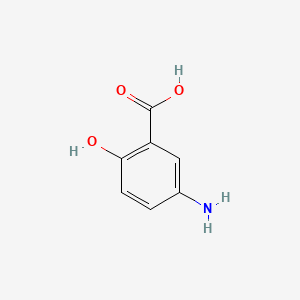
Mesalazine, also known as mesalamine or 5-aminosalicylic acid (5-ASA), is an anti-inflammatory therapeutic agent used primarily in the management of inflammatory bowel diseases, especially ulcerative colitis. It acts locally within the intestinal lumen and colonic mucosa, where it helps suppress inflammatory signaling and reduce mucosal injury. In pharmaceutical development, mesalazine is notable for its high oral dose requirement and for the need to deliver the drug to the colon while minimizing premature release in the upper gastrointestinal tract.
From a formulation and biopharmaceutic perspective, mesalazine is a challenging active pharmaceutical ingredient because its therapeutic effect depends strongly on dissolution behavior, gastrointestinal pH, fluid volume, buffer capacity, transit time, and product design. Recent work has continued to examine how its physicochemical properties, including particle size, crystal habit, crystallinity, wetting, and packing, influence performance in oral and rectal dosage forms.
Where the papers sit
11 papers from the last 6 months study mesalazine directly · updated from PubMed 3 Oct 2026
Study type 0 clinical trials · 1 human data · 10 preclinical
Themes 3 themes
-
Drug Release and Permeation Testing
Mesalamine formulation work is focusing on predictive control of dissolution, release and rectal permeation. Bicarbonate buffer molarity, capacity and pH are being tuned to distinguish delayed-release products, while particle size and crystal habit are linked to packing, wetting and dissolution. Xanthan and tragacanth provide alternative sustained-release mechanisms, and suppositories require dedicated in vitro permeation testing. The field is moving toward product-specific tests that better anticipate in vivo performance.
5 papers · 45.5%
-
Ulcerative Colitis Drug Delivery
Ulcerative colitis maintenance is moving from conventional oral 5-ASA treatment toward colon-retentive and pH-responsive delivery. Mesalamine microparticles, linoleic acid-based nanocubosomes and glyceryl 1-oleate systems aim to release drug selectively in the colon. Comparative treatment evidence still includes switching between sulphasalazine and oral 5-aminosalicylic acid formulations. The central open question is whether improved targeting translates into more durable remission and fewer systemic effects.
3 papers · 27.3%
-
Targeted Inflammatory Bowel Therapy
Inflammatory bowel therapy is moving toward localized delivery systems that concentrate treatment in diseased bowel. Thermo-responsive enemas and oral cobalt coordination microparticles represent different routes for targeted exposure, while diosmin studies implicate PI3K-Akt and NF-κB modulation. Formulation strategies are being evaluated alongside symptom and inflammatory responses rather than as simple drug substitutions. Whether these preclinical delivery and pathway findings improve clinical outcomes remains open.
3 papers · 27.3%
Papers
The 11 papers from the last 6 months that study mesalazine directly, newest first, by theme and by study type. Study types come from PubMed publication types and MeSH headings.
By theme
Drug Release and Permeation Testing (5)
- Development of discriminatory and biopredictive bicarbonate buffer-based dissolution method to screen delayed release formulations. Drug development and industrial pharmacy · 18 Aug 2026 PMID 42611030
- Development of sustained-release oral tablets using xanthan and tragacanth gums as release modifiers. International journal of pharmaceutics · 23 Jul 2026 PMID 42492645
- Understanding the Impact of Particle Size and Crystal Habit of Mesalamine Drug Substances on Their Packing, Wetting, and Dissolution Behaviour: A Science-based Approach for Selection of API Vendor. AAPS PharmSciTech · 27 May 2026 PMID 42204009
- Development and validation of an in vitro permeation test method for rectal mesalamine suppositories. International journal of pharmaceutics · 19 May 2026 PMID 42155617
- Understanding the Influence of Molarity, Buffer Capacity, and pH on Product-specific Guidance Dissolution Method for Developing a Discriminatory Dissolution Method for the Development of Mesalamine Products. AAPS PharmSciTech · 5 May 2026 PMID 42086958
Ulcerative Colitis Drug Delivery (3)
- Linoleic acid-based pH-sensitive 5-ASA nanocubosome pellets for colon targeting in ulcerative colitis: in vitro and in vivo comparison with non-pH-sensitive and conventional formulations. Drug development and industrial pharmacy · 12 Aug 2026 PMID 42585548
- Switching from sulphasalazine or oral 5-aminosalicylic acid to another oral 5-aminosalicylic acid drug in the maintenance of remission in ulcerative colitis. The Cochrane database of systematic reviews · 27 Jul 2026 PMID 42504800
- Mesalamine colon-retentive microparticles for treatment of ulcerative colitis. International journal of pharmaceutics · 5 Jun 2026 PMID 42248222
Targeted Inflammatory Bowel Therapy (3)
- Application of thermo-responsive polymers as an enema formulation for the treatment of ulcerative colitis. International journal of pharmaceutics · 14 Jul 2026 PMID 42447940
- Oral Cobalt Coordination Microparticles for Targeted Inflammatory Bowel Disease Treatment. ACS applied bio materials · 9 Jun 2026 PMID 42263142
- Integrated RNA-seq and network pharmacology analyses suggest PI3K-Akt and NF-κB pathway modulation in the protective effects of diosmin against experimental colitis. Food & function · 26 May 2026 PMID 42191164
By study type
Human data, design not indexed (1)
- Switching from sulphasalazine or oral 5-aminosalicylic acid to another oral 5-aminosalicylic acid drug in the maintenance of remission in ulcerative colitis. The Cochrane database of systematic reviews · 27 Jul 2026 PMID 42504800
Preclinical: animal, cell and lab studies (10)
- Development of discriminatory and biopredictive bicarbonate buffer-based dissolution method to screen delayed release formulations. Drug development and industrial pharmacy · 18 Aug 2026 PMID 42611030
- Linoleic acid-based pH-sensitive 5-ASA nanocubosome pellets for colon targeting in ulcerative colitis: in vitro and in vivo comparison with non-pH-sensitive and conventional formulations. Drug development and industrial pharmacy · 12 Aug 2026 PMID 42585548
- Development of sustained-release oral tablets using xanthan and tragacanth gums as release modifiers. International journal of pharmaceutics · 23 Jul 2026 PMID 42492645
- Application of thermo-responsive polymers as an enema formulation for the treatment of ulcerative colitis. International journal of pharmaceutics · 14 Jul 2026 PMID 42447940
- Oral Cobalt Coordination Microparticles for Targeted Inflammatory Bowel Disease Treatment. ACS applied bio materials · 9 Jun 2026 PMID 42263142
- Mesalamine colon-retentive microparticles for treatment of ulcerative colitis. International journal of pharmaceutics · 5 Jun 2026 PMID 42248222
- Understanding the Impact of Particle Size and Crystal Habit of Mesalamine Drug Substances on Their Packing, Wetting, and Dissolution Behaviour: A Science-based Approach for Selection of API Vendor. AAPS PharmSciTech · 27 May 2026 PMID 42204009
- Integrated RNA-seq and network pharmacology analyses suggest PI3K-Akt and NF-κB pathway modulation in the protective effects of diosmin against experimental colitis. Food & function · 26 May 2026 PMID 42191164
- Development and validation of an in vitro permeation test method for rectal mesalamine suppositories. International journal of pharmaceutics · 19 May 2026 PMID 42155617
- Understanding the Influence of Molarity, Buffer Capacity, and pH on Product-specific Guidance Dissolution Method for Developing a Discriminatory Dissolution Method for the Development of Mesalamine Products. AAPS PharmSciTech · 5 May 2026 PMID 42086958
Written from 11 PubMed abstracts, each one listed by PMID above. Published: 2026-06-26. Last written: 2026-08-27 by GPT. Drafted by language models from published abstracts; not medical advice.