Propofol
Propofol is an intravenously administered anesthetic widely used for induction and maintenance of general anesthesia and for procedural sedation, including gastrointestinal endoscopy and total intravenous anesthesia.
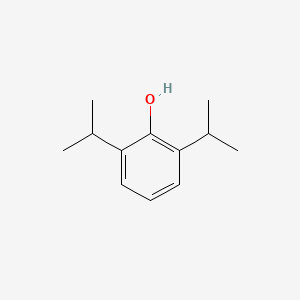
Propofol is an intravenously administered anesthetic widely used for induction and maintenance of general anesthesia and for procedural sedation, including gastrointestinal endoscopy and total intravenous anesthesia. Its clinical effects are characterized by rapid onset and relatively short duration, but its dosing requires careful adjustment because excessive sedation can impair cardiorespiratory function. Propofol-based anesthesia may be combined with agents such as remifentanil, bupivacaine, or other regional analgesic techniques, and its administration is increasingly being evaluated with target-controlled infusion, machine-learning sedation-state prediction, and AI-assisted anesthesia management.
Beyond routine anesthesia, propofol is being investigated for effects on the nervous system and other physiological processes. Experimental studies have examined potential neurotoxicity after neonatal or maternal exposure, including region-specific molecular changes in the cortex and hippocampus, while other work has explored neuroprotective effects in cerebral ischemia–reperfusion injury and possible mitigation by vitamin D. Research has also considered its influence on glucose and lipid metabolism in diabetes and its rapid antidepressant-like activity. Peptide-based propofol prodrugs are being developed to provide triggered, more brain-selective delivery while reducing anesthetic liability; however, these approaches remain investigational.
Where the papers sit
9 papers from the last 6 months study propofol directly · updated from PubMed 3 Nov 2026
Study type 0 clinical trials · 3 observational · 1 human data · 5 preclinical
Themes no clear themes · 1 new direction
Those 9 do not share a common subject.
-
Propofol is examined across neuronal injury, developmental neurotoxicity, anesthesia dosing, and drug delivery. Some studies seek neuroprotection through miR-432-5p, ITK, NEDD4L, or vitamin D, while others characterize region-specific proteomic changes. Clinical work addresses sedation-state prediction and AI-assisted anesthesia management. A peptide-propofol prodrug explores triggered antidepressant delivery, but no single biological question or translational direction unites these reports.
Propofol is repurposed as a sustained antidepressant therapy rather than solely as an anesthetic
The peptide-propofol prodrug in a chronic social defeat stress mouse model used propofol’s rapid antidepressant-like activity as the therapeutic objective, rather than treating anesthesia or anesthetic toxicity as the primary context. The self-assembling, carboxylesterase-responsive formulation released propofol while reducing respiratory-depression risk and transient sedation, producing rapid and durable antidepressant-like effects with accompanying changes in microglial activation, astrocytic support, blood–brain barrier integrity, and hippocampal synaptic plasticity. This shifts propofol toward a deliberately engineered antidepressant treatment whose anesthetic liability is something to overcome 42294740Jun.
Papers
The 9 papers from the last 6 months that study propofol directly, newest first, by theme and by study type. Study types come from PubMed publication types and MeSH headings.
By theme
No clear themes (9)
- Protective Role of miR-432-5p Against Propofol-Induced Neurotoxicity Through Regulation of ITK in SH-SY5Y Cells. Journal of biochemical and molecular toxicology · 1 Nov 2026 PMID 42967583
- Dose-conditioned machine-learning prediction of a composite target sedation state in patients undergoing propofol-sedated gastrointestinal endoscopy. Annals of medicine · 28 Sept 2026 PMID 42803764
- Propofol alleviates OGD/R-induced cerebral ischemia-reperfusion injury-related neuronal injury by regulating NEDD4L-mediated ubiquitination of HTR2B. Biochemical and biophysical research communications · 16 Sept 2026 PMID 42748874
- Modified scalp block and total intravenous anesthesia for frontal craniotomy in a dog with a meningioma: a technical case report. Veterinary research communications · 9 Sept 2026 PMID 42714672
- Neonatal propofol exposure induces region-specific neurotoxic proteomic signatures in mouse cortex and hippocampus. Brain research · 23 Jul 2026 PMID 42492603
- Clinical Evaluation of an AI-Assisted Decision Support System for General Anesthesia Management Based on Data From 6 Centers: Comparative Study. Journal of medical Internet research · 20 Jul 2026 PMID 42475676
- Peptide-Propofol Prodrug with Self-Assembly and Triggered Release for Antidepressant Therapy. ACS applied materials & interfaces · 15 Jun 2026 PMID 42294740
- Vitamin D alleviates neurotoxicity induced by propofol anaesthesia in the offspring of mice. PloS one · 22 May 2026 PMID 42172230
- Network toxicology and bioinformatics analysis predict potential molecular targets and mechanisms by which sevoflurane and propofol influence type 2 diabetes mellitus. PloS one · 18 May 2026 PMID 42149890
By study type
Observational studies and case reports (3)
- Dose-conditioned machine-learning prediction of a composite target sedation state in patients undergoing propofol-sedated gastrointestinal endoscopy. Annals of medicine · 28 Sept 2026 PMID 42803764
- Modified scalp block and total intravenous anesthesia for frontal craniotomy in a dog with a meningioma: a technical case report. Veterinary research communications · 9 Sept 2026 PMID 42714672
- Clinical Evaluation of an AI-Assisted Decision Support System for General Anesthesia Management Based on Data From 6 Centers: Comparative Study. Journal of medical Internet research · 20 Jul 2026 PMID 42475676
Human data, design not indexed (1)
- Network toxicology and bioinformatics analysis predict potential molecular targets and mechanisms by which sevoflurane and propofol influence type 2 diabetes mellitus. PloS one · 18 May 2026 PMID 42149890
Preclinical: animal, cell and lab studies (5)
- Protective Role of miR-432-5p Against Propofol-Induced Neurotoxicity Through Regulation of ITK in SH-SY5Y Cells. Journal of biochemical and molecular toxicology · 1 Nov 2026 PMID 42967583
- Propofol alleviates OGD/R-induced cerebral ischemia-reperfusion injury-related neuronal injury by regulating NEDD4L-mediated ubiquitination of HTR2B. Biochemical and biophysical research communications · 16 Sept 2026 PMID 42748874
- Neonatal propofol exposure induces region-specific neurotoxic proteomic signatures in mouse cortex and hippocampus. Brain research · 23 Jul 2026 PMID 42492603
- Peptide-Propofol Prodrug with Self-Assembly and Triggered Release for Antidepressant Therapy. ACS applied materials & interfaces · 15 Jun 2026 PMID 42294740
- Vitamin D alleviates neurotoxicity induced by propofol anaesthesia in the offspring of mice. PloS one · 22 May 2026 PMID 42172230
Written from 9 PubMed abstracts, each one listed by PMID above. Published: 2026-11-03. Drafted by language models from published abstracts; not medical advice.