Phenylalanine
Phenylalanine is an essential aromatic amino acid and a fundamental building block of proteins.
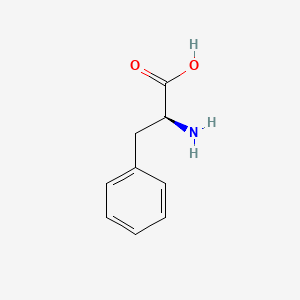
Phenylalanine is an essential aromatic amino acid and a fundamental building block of proteins. In human biology, it is obtained from the diet and normally metabolized through pathways that convert it to tyrosine and downstream Metabolites. Because phenylalanine participates in protein synthesis and broader amino acid metabolism, it is relevant to nutrition, intermediary metabolism, and disease states in which amino acid handling is altered.
Clinically, phenylalanine is best known for its central role in phenylketonuria (PKU), an inherited disorder caused by defective catabolism of phenylalanine that leads to accumulation of phenylalanine and associated neurocognitive impairment. Beyond inherited metabolic disease, phenylalanine is also studied as a biochemical marker, a pathway component in flavor and aroma biosynthesis in plants, and a functional amino acid in cell signaling and protein engineering contexts. It is closely related to tryptophan, tyrosine, and other amino acid in metabolic networks, and its levels or incorporation can reflect changes in oxidative stress, insulin-related signaling, and tissue-specific metabolism.
Where the papers sit
10 papers from the last 6 months study phenylalanine directly · updated from PubMed 5 Oct 2026
Study type 0 clinical trials · 2 human data · 7 preclinical · 1 unclassified
Themes 3 themes
-
Amino Acid Targeting and Metabolism
Amino acids are being used both as targeting ligands and as metabolic signals. Phenylalanine- and tryptophan-based hydrazones link VEGF targeting to caspase-mediated apoptosis, while a LAT1 ligand enables lysosome-targeted degradation. Multi-omics work is positioning phenylalanine metabolism as a pancreatic cancer biomarker and therapeutic entry point. Nutritional studies instead connect amino acid mixtures with insulin and GLP-1 secretion, leaving clinical integration open.
4 papers · 40%
-
Peptide Hydrogel Self-Assembly
Peptide hydrogels are moving toward tunable materials whose assembly, mechanics and cargo release can be programmed chemically. Aromatic interactions, halogenation and residue balance repeatedly control supramolecular networks and beta-sheet formation. Phenylalanine mutations alter tripeptide amyloid hydrogelation and cytotoxicity, while pH-responsive networks add environmental control. Cu(II)-induced assembly extends this approach to triggered drug release and functional gels.
4 papers · 40%
-
Others — Nanoparticle Biosensing and Exposure
Nanoparticles support two distinct phenylalanine-related applications: electrochemical sensing and controlled exposure assessment. AuNP-directed orientation of phenylalanine dehydrogenase is being optimized for point-of-care biosensing through structural analysis. Nanoencapsulation of aspartame metabolites instead focuses on toxicokinetics, pharmacology and glucocorticoid-related responses. The shared emphasis is nanoparticle-enabled measurement or delivery, not a single biological question.
2 papers · 20%
Papers
The 10 papers from the last 6 months that study phenylalanine directly, newest first, by theme and by study type. Study types come from PubMed publication types and MeSH headings.
By theme
Amino Acid Targeting and Metabolism (4)
- Unveiling the Diagnostic Value and Potential Therapeutic Targets of Phenylalanine Metabolism in Pancreatic Cancer via Integrated Multi-Omics and Machine Learning. FASEB journal : official publication of the Federation of American Societies for Experimental Biology · 12 Sept 2026 PMID 42730913
- Phenylalanine- and tryptophan-based hydrazone hybrids targeting the VEGF axis and caspase-mediated apoptosis: Design, synthesis, and biological evaluation. Bioorganic chemistry · 6 Aug 2026 PMID 42561562
- A Single-Amino-Acid Ligand for LAT1: A Minimalist and Modular Platform for Lysosome-Targeted Degradation of Membrane Proteins. Advanced science (Weinheim, Baden-Wurttemberg, Germany) · 3 Aug 2026 PMID 42545113
- Combination amino acids and glucose effects on insulin and GLP-1 secretion. The Biochemical journal · 22 Apr 2026 PMID 42017410
Peptide Hydrogel Self-Assembly (4)
- Tripeptide-based amyloid hydrogels: phenylalanine mutation outcomes on self-assembly, hydrogelation and their cytotoxicity assays. Journal of materials chemistry. B · 27 Aug 2026 PMID 42657517
- Aromatic/aliphatic residue balance regulates Cu(II)-induced supramolecular gel formation and drug release in histidine-containing tetrapeptides. Soft matter · 16 Jun 2026 PMID 42300085
- A pH-responsive double network hydrogel for control of tomato bacterial wilt. Nature communications · 12 Jun 2026 PMID 42285939
- Halogen-Controlled Aromatic Interactions Drive the Self-Assembly and Mechanics of Peptide Hydrogels. ACS applied bio materials · 10 Jun 2026 PMID 42267603
Others — Nanoparticle Biosensing and Exposure (2)
- Bioinformatic Insights into AuNP-Directed Enzyme Orientation for Enhanced Phenylalanine Electrochemical Biosensing. ACS applied bio materials · 21 Jul 2026 PMID 42479032
- Nanoencapsulation modulates aspartame metabolite exposure: Toxicokinetic, mechanistic, and pharmacological evaluation in a glucocorticoid dysfunction model. Toxicology and applied pharmacology · 19 Apr 2026 PMID 42002150
By study type
Human data, design not indexed (2)
- Unveiling the Diagnostic Value and Potential Therapeutic Targets of Phenylalanine Metabolism in Pancreatic Cancer via Integrated Multi-Omics and Machine Learning. FASEB journal : official publication of the Federation of American Societies for Experimental Biology · 12 Sept 2026 PMID 42730913
- Bioinformatic Insights into AuNP-Directed Enzyme Orientation for Enhanced Phenylalanine Electrochemical Biosensing. ACS applied bio materials · 21 Jul 2026 PMID 42479032
Preclinical: animal, cell and lab studies (7)
- Tripeptide-based amyloid hydrogels: phenylalanine mutation outcomes on self-assembly, hydrogelation and their cytotoxicity assays. Journal of materials chemistry. B · 27 Aug 2026 PMID 42657517
- Phenylalanine- and tryptophan-based hydrazone hybrids targeting the VEGF axis and caspase-mediated apoptosis: Design, synthesis, and biological evaluation. Bioorganic chemistry · 6 Aug 2026 PMID 42561562
- Aromatic/aliphatic residue balance regulates Cu(II)-induced supramolecular gel formation and drug release in histidine-containing tetrapeptides. Soft matter · 16 Jun 2026 PMID 42300085
- A pH-responsive double network hydrogel for control of tomato bacterial wilt. Nature communications · 12 Jun 2026 PMID 42285939
- Halogen-Controlled Aromatic Interactions Drive the Self-Assembly and Mechanics of Peptide Hydrogels. ACS applied bio materials · 10 Jun 2026 PMID 42267603
- Combination amino acids and glucose effects on insulin and GLP-1 secretion. The Biochemical journal · 22 Apr 2026 PMID 42017410
- Nanoencapsulation modulates aspartame metabolite exposure: Toxicokinetic, mechanistic, and pharmacological evaluation in a glucocorticoid dysfunction model. Toxicology and applied pharmacology · 19 Apr 2026 PMID 42002150
Unclassified: not yet indexed with MeSH (1)
- A Single-Amino-Acid Ligand for LAT1: A Minimalist and Modular Platform for Lysosome-Targeted Degradation of Membrane Proteins. Advanced science (Weinheim, Baden-Wurttemberg, Germany) · 3 Aug 2026 PMID 42545113
Written from 10 PubMed abstracts, each one listed by PMID above. Published: 2026-06-24. Last written: 2026-08-05 by Claude. Drafted by language models from published abstracts; not medical advice.